The Best Yumblink Pancakes recipe you will fall in love with. Full of tips and tricks to help you make the best pancakes.


Renting a ghost kitchen is one of the smartest moves for food entrepreneurs who want to scale without the high costs of a traditional dine-in restaurant. A ghost kitchen lets you focus on cooking great food and delivering it to customers through online platforms. This guide walks you through everything you need to know, from finding the right space to growing your brand and revenue.
Starting a food business has never been more accessible. You no longer need a fancy dining room, a host stand, or a bar to serve great meals. A ghost kitchen gives you everything you actually need: a clean, licensed space to cook and a way to reach hungry customers online.
If you have ever dreamed of running your own restaurant but felt held back by rent, renovation costs, or the idea of managing a full dining room, a ghost kitchen might be your answer. It is a practical, affordable path into the food industry. And the best part? You can start small and scale up as demand grows.
This guide covers everything from finding the right space to choosing equipment, handling permits, and growing your brand. Whether you are a seasoned cook or a first-time food entrepreneur, you will find actionable steps to get your delivery-only kitchen up and running.
Key Takeaways
- Lower startup costs: Ghost kitchens let you launch a food business for a fraction of what a full restaurant requires.
- Focus on delivery and pickup: You skip the dine-in overhead and serve customers through apps and your own website.
- Choose the right space: Look at location, equipment, permits, and lease terms before signing any agreement.
- Grow multiple brands: A single ghost kitchen can host several virtual restaurants to boost your revenue streams.
- Stay compliant: Food safety and fire suppression standards are critical for operating legally and safely.
📑 Table of Contents
- What Is a Ghost Kitchen and Why Rent One?
- How to Find the Right Ghost Kitchen Space
- Permits, Licenses, and Food Safety Compliance
- Setting Up Your Ghost Kitchen for Success
- Growing Your Food Business with a Ghost Kitchen
- Common Mistakes to Avoid When Renting a Ghost Kitchen
- Quick Tips for First-Time Ghost Kitchen Renters
- Final Thoughts
What Is a Ghost Kitchen and Why Rent One?
A ghost kitchen is a commercial kitchen space designed solely for food preparation and delivery. There is no dining area. No walk-in customers. No reservations. Everything happens through delivery apps, online orders, and pickup windows.
Also called a cloud kitchen or shared kitchen, this model has exploded in popularity. More people order food online than ever before. And restaurant owners love the lower overhead. You skip the expensive front-of-house setup and focus on what matters most: great food.
Why Rent Instead of Build?
Building a kitchen from scratch takes time and money. Renting a ghost kitchen lets you avoid those upfront costs. You pay a monthly fee and get access to fully equipped prep stations, ovens, refrigeration, and sometimes even staff support.
Here are the main reasons food entrepreneurs choose to rent:
- Lower startup costs: No need to renovate a dining space or buy every piece of equipment upfront.
- Flexibility: You can test multiple concepts in one space or scale to a larger kitchen as your brand grows.
- Faster launch: Many ghost kitchen spaces are move-in ready, so you can start cooking within days or weeks.
- Shared resources: Some spaces share utilities, storage, and even delivery logistics, which cuts your expenses.
How to Find the Right Ghost Kitchen Space
Not all ghost kitchens are the same. Finding the right one means knowing what to look for and what questions to ask. Take your time and visit spaces in person before committing.
Location Matters More Than You Think
Even though you do not have a dining room, your kitchen location still affects your business. A space near residential areas can reduce delivery times. A spot close to major highways makes it easier for drivers to pick up orders quickly.
Think about your target customers. Where do they live? Where do they work? Your kitchen should be positioned to serve them efficiently. A poorly located ghost kitchen can lead to cold food, long delivery windows, and unhappy customers.
Check the Equipment and Layout
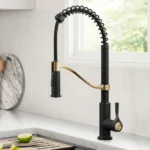
Walk into the space and assess what is already there. Does the kitchen have enough burners? Is the ventilation strong enough for heavy cooking? Are the kitchen plumbing fixtures in good working order and up to code?
Make a list of what you need versus what is provided. If the space lacks key equipment, factor those costs into your budget. A well-equipped kitchen saves you money and lets you start cooking immediately.
Understand the Lease Terms
Before you sign anything, read the lease carefully. Look for these key details:
- Lease length: Month-to-month is ideal when you are starting out. Long-term locks can be risky if your business takes time to grow.
- Hidden fees: Ask about utilities, waste disposal, parking, and after-hours access charges.
- Usage limits: Some spaces limit how many hours you can operate or how many brands you can run.
- Exit clauses: Know what happens if you need to leave early. A flexible lease protects you from unnecessary costs.
Permits, Licenses, and Food Safety Compliance
Running a ghost kitchen means following the same health and safety rules as any traditional restaurant. Skip this step, and you risk fines, shutdowns, or worse.
Get Your Permits in Order
Most cities require a commercial food establishment permit, a business license, and a food handler certification. The exact requirements vary by location, so check with your local health department before opening.
You may also need a fire suppression system inspection. A working kitchen fire suppression system is not optional. It protects your staff, your customers, and your investment. Many landlords require proof of fire safety compliance before you move in.
Food Safety Basics
Follow these essential food safety practices every single day:
- Wash your hands thoroughly before handling food and after touching raw ingredients.
- Store perishable items at the correct temperatures. Keep cold food below 40°F and hot food above 140°F.
- Label and date everything. Use a first-in, first-out system to reduce waste and prevent spoilage.
- Clean and sanitize all surfaces, utensils, and equipment between uses.
- Keep a log of your temperature checks and cleaning schedules. Documentation protects you during inspections.
Setting Up Your Ghost Kitchen for Success
Once you have secured your space and permits, it is time to set up your kitchen for daily operations. Smart setup decisions will save you time and money in the long run.
Design for Efficiency
Your kitchen layout should follow a logical flow. Raw ingredients go in one end. Finished meals go out the other. Avoid cross-contamination by keeping prep stations separate for different food types.
Think about your most common orders and position your equipment accordingly. If you make a lot of stir-fry dishes, make sure your wok station is near the exhaust hood. If you prep a lot of salads, give that station its own cutting board area.
Invest in Storage Solutions
A ghost kitchen can get cluttered fast without proper storage. Use shelving units and organized bins to keep ingredients and supplies in order. If the space does not come with enough cabinets, consider purchasing affordable kitchen cabinets for sale online to add storage without breaking the bank.
Label every container. Every shelf. Every drawer. When your team knows exactly where things belong, prep time drops and mistakes drop too.
Choose Your Delivery and Ordering Platforms
You need a way for customers to find you and place orders. Most ghost kitchens rely on third-party delivery apps like Uber Eats, DoorDash, and Grubhub. But do not rely on just one platform.
Build your own ordering system through a simple website or a white-label app. This gives you more control over your brand and reduces the high commission fees that delivery apps charge. A strong online presence is the backbone of any virtual restaurant concept.
Growing Your Food Business with a Ghost Kitchen
The real power of a ghost kitchen is its ability to scale. Because you do not have a dining room, you can expand your operations without adding expensive square footage.
Launch Multiple Virtual Brands
One of the biggest advantages of a ghost kitchen is the ability to run several food brands from the same space. You might start with a taco concept and later add a salad bowl brand or a dessert line. Each brand can target a different audience and generate separate revenue streams.
This strategy works because customers do not see your physical kitchen. They only see your brand online. As long as each brand has its own menu, identity, and marketing, you can operate them all from one rented kitchen.
Track Your Numbers Religiously
Growth comes from data. Track every metric that matters:
- Average order value: How much does each customer spend per order?
- Delivery time: How long from order to doorstep? Faster times lead to better reviews.
- Customer retention: Are repeat customers coming back? Loyalty is the engine of long-term growth.
- Cost per order: Know your food costs, labor costs, and delivery fees for every order.
Use these numbers to make smart decisions. If a menu item has low margins, remove it or raise the price slightly. If a delivery zone performs poorly, adjust your service area.
Build Your Brand Beyond the App
Delivery apps are great for discovery, but they should not be your only marketing channel. Build a following on social media. Post behind-the-scenes cooking videos. Share customer reviews. Offer loyalty discounts for repeat orders.
A strong brand creates emotional connections with customers. People do not just order food. They order experiences and stories. Make your brand memorable, and customers will choose you over competitors every time.
Common Mistakes to Avoid When Renting a Ghost Kitchen
Even the best food concepts can fail if the kitchen setup goes wrong. Here are the most common mistakes new food entrepreneurs make:
- Skipping the site visit: Never rent a kitchen without seeing it in person. Photos can hide problems like poor ventilation, outdated equipment, or plumbing issues.
- Ignoring lease flexibility: Locking into a long lease too early limits your ability to pivot or scale.
- Underestimating utility costs: Commercial kitchens use a lot of electricity and water. Ask the landlord for past utility bills.
- Neglecting food safety: One health inspection violation can shut you down. Stay compliant at all times.
- Relying on a single delivery app: Diversify your ordering channels to reduce commission costs and platform risk.
Quick Tips for First-Time Ghost Kitchen Renters
- Start small: Rent a smaller space at first. You can always upgrade as your order volume grows.
- Ask about shared kitchens: Shared ghost kitchen spaces often come with lower costs and built-in community support.
- Test your menu online first: Run a soft launch with friends and family before going live on delivery apps.
- Invest in good packaging: Food that arrives hot and fresh earns five-star reviews. Packaging matters more than most people think.
- Stay organized: A clean, organized kitchen runs faster and produces fewer mistakes.
Final Thoughts
Renting a ghost kitchen is one of the smartest ways to enter the food business today. The model is affordable, flexible, and built for the delivery-first world we live in. Whether you want to launch one brand or five, a ghost kitchen gives you the foundation to grow without the heavy financial burden of a traditional restaurant.
Take the time to find the right space, handle your permits properly, and design your kitchen for efficiency. Focus on food quality, customer experience, and smart marketing. The food delivery industry is not slowing down, and a well-run ghost kitchen positions you right in the middle of that growth.
Start with a plan. Execute with discipline. And never stop improving your menu and operations. Your food business has real potential. A ghost kitchen is the launchpad to make it happen.
Frequently Asked Questions
How much does it cost to rent a ghost kitchen?
Ghost kitchen rental costs vary widely depending on location, size, and equipment. On average, you can expect to pay between $1,000 and $5,000 per month. Shared kitchen spaces tend to be more affordable, while fully private setups cost more. Always ask for a breakdown of all fees before signing a lease.
Do I need a food handler’s license to operate a ghost kitchen?
Yes, most cities require at least one food handler certification per ghost kitchen location. You should also check your local health department for specific permit requirements. Staying compliant keeps your business safe and avoids costly fines or shutdowns.
Can I run more than one restaurant brand from a single ghost kitchen?
Absolutely. In fact, running multiple virtual brands from one space is one of the biggest advantages of a ghost kitchen. Each brand can have its own menu, branding, and marketing strategy while sharing the same physical kitchen and equipment.
What delivery platforms work best with ghost kitchens?
Uber Eats, DoorDash, and Grubhub are the most popular platforms for ghost kitchens. However, building your own direct ordering website can help you avoid high commission fees. The best strategy is to use a mix of third-party apps and your own ordering channel.
How is a ghost kitchen different from a traditional restaurant?
A ghost kitchen has no dine-in area and operates entirely for delivery and pickup orders. Traditional restaurants serve walk-in customers and have a front-of-house dining experience. Ghost kitchens focus on food preparation efficiency and lower overhead costs.
What should I look for when touring a ghost kitchen space?
Check the equipment condition, ventilation, plumbing, and electrical capacity. Ask about the lease terms, utility costs, and any shared resources. Make sure the kitchen meets all fire safety and health code requirements before you commit to a rental agreement.