The Best Yumblink Pancakes recipe you will fall in love with. Full of tips and tricks to help you make the best pancakes.


Making a kitchen philly at home is easier than you think. With the right cut of beef, the perfect roll, and a few pro techniques, you can create a sandwich that rivals any Philadelphia cheesesteak shop. This guide covers everything from slicing the meat to choosing your cheese.
A kitchen philly is more than just a sandwich. It is a beloved American classic that brings the flavors of Philadelphia right to your home kitchen. Whether you are a seasoned home cook or someone who has never made a cheesesteak before, this guide will walk you through every step. You will learn how to choose the best meat, pick the perfect roll, and master the cooking techniques that make all the difference.
The beauty of a homemade philly cheesesteak is that you control every ingredient. No preservatives. No mystery meats. Just real beef, real cheese, and a roll that holds everything together perfectly. Once you make one at home, you will never go back to ordering out. The flavors are fresher, the textures are better, and the satisfaction of creating something delicious with your own hands is unmatched.
Key Takeaways
- Choose the Right Meat: Ribeye or top round, sliced thin, is the foundation of an authentic kitchen philly.
- The Roll Matters: A soft, elongated hoagie roll with a slight crust makes all the difference.
- High Heat Is Key: Cooking your beef on high heat creates that signature caramelized flavor.
- Cheese Choice Defines Your Style: Provolone, American, or Cheez Whiz each bring something unique.
- Slice Against the Grain: This single technique transforms tough meat into tender, juicy strips.
- Rest Your Meat: Letting the beef rest after cooking keeps it juicy and flavorful.
- Keep It Simple: The best kitchen philly recipes use fewer ingredients and let quality shine.
📑 Table of Contents
What Makes a Great Kitchen Philly
A great kitchen philly comes down to a few key elements. Every component matters, from the type of beef you use to the way you slice it. Let us break down what separates a good cheesesteak from a great one.
The Meat
The star of any philly cheesesteak recipe is the beef. Traditionally, ribeye steak is the go-to choice. It has a beautiful marbling that keeps the meat juicy during cooking. Top round is another excellent option if you want a leaner sandwich. The most important thing is that the meat is sliced very thin. Thin slices cook quickly and evenly, giving you that tender, melt-in-your-mouth texture.
When shopping for beef, ask your butcher to slice the steak for you. Many grocery stores also have a deli counter that can do this. The goal is paper-thin slices that almost look like ribbons. This is non-negotiable for an authentic steak sandwich experience.
The Roll
Do not underestimate the power of a good roll. A philly cheesesteak needs a soft, elongated hoagie roll. It should be slightly crispy on the outside but pillowy on the inside. This structure holds the meat and cheese without falling apart when you bite in.
Avoid using regular sandwich bread or Kaiser rolls. They do not have the right texture or shape. Look for rolls that are at least six inches long. If you cannot find hoagie rolls, a French baguette can work in a pinch, but it is not the traditional choice.
The Cheese
Cheese is what makes a kitchen philly a cheesesteak. There are three classic options, and each one brings something different to the table.
- Provolone: The most traditional choice. It has a mild, slightly smoky flavor that complements the beef perfectly.
- American Cheese: This melts beautifully and gives the sandwich a creamy, rich texture. Many shops in Philadelphia use this.
- Cheez Whiz: The bold choice. It is salty, tangy, and ultra-creamy. Love it or hate it, it is undeniably a Philadelphia original.
You can also experiment with sharp provolone or pepper jack if you want a little extra kick. The key is to use enough cheese to coat every strand of meat.
Ingredients You Will Need
Keeping your ingredient list simple is the secret to a great homemade cheesesteak. Here is what you need to gather before you start cooking.
The Core Ingredients
- 1 pound ribeye or top round steak, sliced thin
- 2 hoagie rolls, soft and elongated
- 4 to 6 slices provolone or American cheese (or a few tablespoons of Cheez Whiz)
- 1 medium onion, sliced into rings
- 1 green bell pepper, sliced into strips
- 2 tablespoons vegetable or canola oil
- Salt and black pepper to taste
Optional Add-Ins
While purists might argue that a classic philly style sandwich only needs meat, cheese, and onions, there is nothing wrong with adding extras. Here are some popular options:
- Mushrooms (sliced and sautéed)
- Garlic (minced and added with the onions)
- Hot peppers or banana peppers for heat
- A dash of Worcestershire sauce for depth of flavor
- A sprinkle of dried oregano or Italian seasoning
Start with the basics and add extras once you have mastered the classic version. This way, you understand how each ingredient affects the final flavor.
Step-by-Step Cooking Guide
Now for the fun part. Making a kitchen philly is quick and straightforward, but the details matter. Follow these steps closely, and you will be amazed at the results.
Step 1: Prep Your Ingredients
Before you turn on the heat, have everything ready. Slice your onions and peppers. Set out your cheese. Make sure your beef is thawed if it was frozen. A philly cheesesteak cooks fast, so you do not want to be scrambling for ingredients while the meat is already in the pan.
Pat the beef slices dry with a paper towel. This removes excess moisture and helps the meat brown properly. Season lightly with salt and pepper. Less is more here, since the cheese and roll will add plenty of flavor.
Step 2: Heat Your Pan
Place a large skillet or griddle over high heat. Add the oil and let it get hot. You are looking for shimmering oil, not smoking oil. A hot pan is essential for getting a good sear on the beef. This is what creates the caramelized edges that make a steak sandwich so irresistible.
If you have a cast iron skillet, use it. The even heat distribution makes a noticeable difference. A regular non-stick pan works too, but avoid using a pan that is too small. You need space for the meat to spread out in a single layer.
Step 3: Cook the Beef
Add the beef slices to the hot pan. Spread them out in a single layer and let them cook untouched for about 30 seconds. Then, use a spatula or tongs to chop and flip the meat into smaller pieces. Continue cooking for another two to three minutes, breaking the meat into thin strips as it cooks.
Do not overcrowd the pan. If you have a lot of beef, cook it in two batches. Overcrowding drops the temperature and causes the meat to steam instead of sear. Steaming gives you a gray, tough result, which is the opposite of what you want.
Once the beef is cooked through and lightly browned, push it to one side of the pan or transfer it to a clean plate.
Step 4: Cook the Vegetables
In the same pan, add your onions and peppers to the space where the beef was. The beef juices left in the pan add incredible flavor to the vegetables. Cook them for three to four minutes until they are softened and slightly caramelized.
If you are using mushrooms, add them now and cook for an additional two minutes. The vegetables should be tender but still have a slight bite. Overcooked vegetables turn mushy and lose their flavor.
Step 5: Add the Cheese
Return the beef to the pan with the vegetables. Lay the cheese slices on top of the meat or drizzle the Cheez Whiz over everything. Lower the heat slightly and let the cheese melt completely. You can also cover the pan for a minute to speed up the melting process.
The cheese should be gooey and fully melted before you assemble the sandwich. If it is not, give it another 30 seconds on low heat. Melting the cheese directly on the beef allows it to coat every strand and bind everything together.
Step 6: Assemble and Serve
Warm your hoagie rolls in the oven or on the pan for about 30 seconds. This makes them slightly crisp on the outside and soft on the inside. Spoon the meat and cheese mixture into the rolls. Press down gently with the spatula to compact the filling.
Serve immediately. A kitchen philly waits for no one, and the bread will get soggy if you let it sit too long. The best way to eat it is right away while everything is hot and melty.
Common Mistakes to Avoid
Even experienced cooks make mistakes when making a philly cheesesteak at home. Here are the most common errors and how to avoid them.
Using the Wrong Cut of Meat
Do not use ground beef. It does not have the same texture or flavor as thinly sliced steak. The whole point of a kitchen philly is the tender, shredded texture of thinly sliced ribeye. Ground beef creates a completely different sandwich, and it is not a bad one, but it is not a cheesesteak.
Cooking on Low Heat
Low heat is the enemy of a great cheesesteak. It causes the meat to stew in its own juices instead of searing. You want high heat and fast cooking. This creates the caramelized, slightly crispy edges that give a homemade cheesesteak its signature flavor.
Overloading the Sandwich
It can be tempting to pile on the filling, but too much meat and cheese makes the roll fall apart. Keep the filling proportionate to the size of the roll. A good rule of thumb is about half a pound of meat per sandwich. This gives you enough filling without making a mess.
Skipping the Roll Toasting
Toasting the roll might seem like a small detail, but it makes a big difference. A lightly toasted roll holds up better against the juicy filling and adds a pleasant crunch that contrasts with the soft interior. This is one of those small touches that separates a good sandwich from a great one.
Pro Tips for the Perfect Cheesesteak
These tips come from years of making philly cheesesteak recipes at home. They are simple changes that make a huge impact on the final result.
- Freeze the beef for 20 minutes before slicing. Firm meat is much easier to slice thin and even.
- Use a sharp knife or meat slicer. Dull knives tear the meat instead of slicing it cleanly.
- Let the beef rest for five minutes after cooking. This redistributes the juices and keeps the meat moist.
- Experiment with cheese blends. Mixing provolone and American cheese gives you the best of both worlds.
- Keep a spray bottle of water nearby. If the cheese starts to burn, a quick spritz cools it down.
- Make the rolls yourself if you are feeling ambitious. Freshly baked hoagie rolls take a kitchen philly to the next level.
Serving Suggestions and Side Dishes
A kitchen philly is hearty on its own, but pairing it with the right sides makes the meal feel complete. Here are some ideas to round out your cheesesteak dinner.
Classic sides include crispy french fries, sweet potato fries, or a simple side salad. A fresh coleslaw adds a nice crunch and a cool contrast to the warm, melty sandwich. For something heartier, serve the cheesesteak alongside roasted vegetables or a bowl of soup.
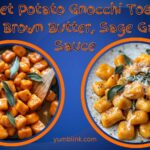
If you want to try something different, serve the cheesesteak with tender sweet potato gnocchi in a brown butter sage garlic sauce for an elevated Italian-American fusion dinner. The rich, nutty sauce pairs beautifully with the savory beef.
For breakfast lovers, start your day with creamy peanut butter overnight oats with a chocolate magic shell the morning after your cheesesteak feast. It is a quick and easy breakfast that takes just minutes to prep the night before.
When it is time for dessert, satisfy your sweet tooth with sweet crunchy and a little bit salty date bark. It is a no-bake treat that balances the richness of the main course perfectly.
How to Store Leftovers
If you somehow have leftovers from your kitchen philly (which is rare), store them properly to keep them fresh. Place the filling and the roll separately in airtight containers. The filling keeps well in the refrigerator for up to two days. Reheat it in a skillet over medium heat for the best results.
Avoid microwaving the sandwich as a whole. The roll gets soggy, and the cheese turns rubbery. By reheating the filling separately and toasting a fresh roll, you can recreate the experience almost as well as the first time around.
Why You Should Make a Kitchen Philly at Home
There are countless reasons to make a kitchen philly in your own kitchen. First, it saves money. A single cheesesteak from a restaurant can cost eight to twelve dollars. Making four sandwiches at home costs less than half that amount.
Second, you control the quality of every ingredient. You choose the beef, the cheese, and the roll. No hidden additives or mystery ingredients. This is especially important if you have dietary restrictions or food sensitivities.
Third, making a cheesesteak at home is genuinely fun. It is a hands-on cooking experience that brings people together. Get the family involved in slicing the vegetables or choosing the cheese. Kids love helping assemble their own sandwiches, and it teaches them valuable cooking skills along the way.
Finally, a homemade philly cheesesteak tastes better. Fresh ingredients, proper technique, and the satisfaction of making something yourself all contribute to a superior eating experience. Once you master the basic recipe, you can start customizing it to your exact preferences. That is the real beauty of cooking at home.
Making a kitchen philly is one of those skills that pays off every single time. Whether you are cooking for yourself after a long day, feeding a crowd on game day, or simply exploring American comfort food, this recipe delivers every time. The combination of savory beef, melty cheese, and a perfectly soft roll is hard to beat. Grab your ingredients, fire up the stove, and make the best cheesesteak of your life tonight.
Frequently Asked Questions
What is the best meat for a kitchen philly cheesesteak?
Ribeye steak is the best choice for a kitchen philly because of its marbling and tenderness. Top round works well if you prefer a leaner option. The key is to have the meat sliced very thin so it cooks quickly and stays tender.
Can I use a different type of cheese?
Absolutely. While provolone, American, and Cheez Whiz are the traditional choices, you can use any cheese that melts well. Sharp cheddar, pepper jack, or even a blend of mozzarella and Parmesan can add interesting flavor twists to your homemade cheesesteak.
How do I get the beef thin enough?
Ask your butcher at the grocery store to slice the steak for you. Alternatively, you can partially freeze the steak for 20 minutes, which firms it up and makes it much easier to slice into thin strips at home with a sharp knife.
Is a kitchen philly the same as a Philly cheesesteak?
Yes, a kitchen philly is simply a Philly cheesesteak made at home. The ingredients and techniques are the same. The only difference is the setting, and many people find that homemade versions taste even better because they use fresher ingredients.
What is the best way to toast the roll?
The easiest method is to warm the roll in the same skillet you cooked the beef in, cut side down, for about 30 seconds. You can also warm it in the oven at 350 degrees for a minute or two. Toasting adds a slight crunch that complements the soft, cheesy filling perfectly.
Can I make a kitchen philly in advance?
You can prep the ingredients in advance, but it is best to assemble and eat the sandwich immediately for the best texture. The roll absorbs moisture over time, which makes it soggy. Cook the beef and vegetables ahead of time, then reheat and assemble just before serving for the closest experience to fresh.
=== CONCLUSION ===
A kitchen philly is one of the most satisfying sandwiches you can make at home. With quality beef, the right roll, and a little practice, you can create a cheesesteak that rivals any restaurant. The process is simple, the ingredients are accessible, and the results are incredible. Start with the classic recipe, master the basics, and then experiment with your favorite toppings and cheese combinations.
Remember, the secret to a great philly cheesesteak recipe is in the details. Thinly sliced meat, high heat, properly melted cheese, and a toasted roll. Get these things right, and every bite will be a celebration of one of America’s greatest sandwiches. So grab your skillet, gather your ingredients, and make your next meal a kitchen philly experience you will never forget.