The Best Yumblink Pancakes recipe you will fall in love with. Full of tips and tricks to help you make the best pancakes.


Storing pots and pans properly can transform your kitchen into a more organized, efficient space. Whether you have a tiny apartment kitchen or a spacious culinary setup, the right storage method saves time and protects your cookware. This guide covers practical solutions from cabinet organizers to wall-mounted racks that fit any budget and style.
Let’s face it. Pots and pans take up a lot of room. And when they’re just piled in a cabinet or dumped in a drawer, finding what you need can feel like a treasure hunt. where to store pots and pans in kitchen is a question almost every home cook asks at some point. The good news? There are plenty of smart, simple ways to organize your cookware so everything has a place.
Whether you’re working with a tiny apartment kitchen or a full-size cooking space, the right storage makes a huge difference. It saves you time, protects your pots and pans from damage, and keeps your kitchen looking clean. In this guide, we’ll walk through the best methods step by step.
Key Takeaways
- Use vertical stacking: Store pots and pans upright to save drawer and cabinet space.
- Install a pot rack: A hanging rack keeps cookware accessible and adds a decorative touch.
- Optimize deep corner cabinets: Use pull-out shelves or lazy Susans for hard-to-reach spots.
- Consider drawer organizers: Insert dividers to keep lids and smaller pans neat and tidy.
- Think outside the cabinet: Use wall hooks, magnetic strips, and open shelves for creative storage.
- Match storage to your kitchen layout: Choose solutions based on available space and cooking habits.
📑 Table of Contents
- Why Proper Pot and Pan Storage Matters
- Best Storage Options for Pots and Pans
- How to Choose the Right Storage for Your Kitchen
- Creative Storage Ideas You Haven’t Tried
- Common Mistakes to Avoid When Storing Pots and Pans
- How to Organize Pots and Pans by Frequency of Use
- Maintaining Your Pot and Pan Storage System
- Final Thoughts
Why Proper Pot and Pan Storage Matters
You might think storage is just about tidiness. But it goes deeper than that. How you store your cookware affects its lifespan, your cooking efficiency, and even your safety. Scratched pans and tangled lids slow you down when you’re trying to cook a meal.
Good kitchen organization also makes cooking more enjoyable. When everything is easy to reach, you spend less time searching and more time creating. Here are a few reasons to rethink your current setup.
Protect Your Cookware
When pots and pans stack on top of each other without protection, they scratch and dent. Non-stick surfaces are especially vulnerable. A scratched pan loses its coating over time, which means you’ll need to replace it sooner. Proper storage prevents this kind of damage.
Save Time During Cooking
Imagine you’re in the middle of dinner prep. You need a large sauté pan, but it’s buried under three other pots. A well-organized cookware storage system lets you grab what you need in seconds. That small time savings adds up over weeks and months of cooking.
Maximize Kitchen Space
Small kitchens especially benefit from smart storage. Every inch counts. When you use vertical space and hidden corners effectively, you free up room for other essentials. This is especially true if you follow kitchen organization tips that focus on efficiency.
Best Storage Options for Pots and Pans
There’s no one-size-fits-all answer. The best method depends on your kitchen size, budget, and cooking style. Let’s explore the top options that work for most homes.
Wall-Mounted Pot Racks
A pot rack is one of the most popular solutions for where to store pots and pans in kitchen spaces. It hangs cookware from the ceiling or wall, keeping pieces visible and easy to grab. You can find rustic wooden racks, sleek metal designs, or simple hook-and-chain setups.
Wall-mounted racks work great in kitchens with high ceilings or open wall space. They free up cabinet and drawer space completely. Just make sure you install them into a stud for safety. A rack can hold anywhere from four to twelve pots and pans, depending on the size.
One thing to keep in mind: pot racks add a decorative element to your kitchen. They can complement styles like farmhouse kitchen design or modern minimalist looks. If you love the idea of displaying your cookware, this is a win-win.
Under-Cabinet Shelves
If wall space isn’t an option, consider under cabinet storage. These shelves attach to the underside of your cabinets and create extra hanging space. You can hang pots and pans right above your countertop, which keeps them within arm’s reach.
This option works best for lightweight pans. Cast iron skillets might be too heavy for some under-cabinet systems. But for everyday pans like frying pans and saucepans, they’re perfect. Installation is usually simple with basic tools.
Deep Cabinet Pull-Outs
Many kitchens have deep base cabinets that are hard to use fully. A pull-out shelf or drawer organizer solves this problem. You pull the entire shelf out, and everything in front becomes accessible. No more reaching into the back of a dark cabinet.
For kitchens with deep corner cabinets, a lazy Susan or corner pull-out system can be a game-changer. These designs use the full depth of the cabinet without wasting any space. You can store multiple pots and pans in a single corner cabinet easily.
Drawer Organizers and Dividers
If you prefer keeping cookware in drawers, drawer organizers are a must. These dividers separate pans and lids so nothing scratches or tangles. You can buy adjustable organizers or custom-fit ones for your specific drawer size.
For pan storage, vertical dividers work best. They let you stand each pan upright, like files in a filing cabinet. This method saves a lot of horizontal space and makes it easy to see every pan at a glance. It’s one of the simplest ways to keep a kitchen drawer tidy.
Open Shelving
Open shelves are trending for a reason. They look great and they’re practical. You can store frequently used pots and pans right on the wall, within easy reach. This works especially well in kitchens with a lot of natural light.
Open shelving also encourages you to keep your collection curated. Instead of hoarding every pot you’ve ever owned, you keep the ones you actually use. That makes kitchen organization feel less overwhelming and more manageable.
How to Choose the Right Storage for Your Kitchen
Not all storage solutions work for every kitchen. Here are some factors to consider before you decide.
Assess Your Available Space
Start by measuring your kitchen. How much cabinet space do you have? Are your walls open or filled with windows and appliances? A small galley kitchen needs different solutions than a large open-concept space. Think about kitchen layout and where you naturally reach for cookware during cooking.
Consider Your Cookware Collection
Do you have five pots or twenty? Large collections need more space. Heavy items like cast iron skillets require sturdy storage that can handle the weight. Lighter pans like aluminum or stainless steel work with almost any system. Think about what you own before choosing a method.
Match Your Kitchen Style
Your storage should look good in your kitchen. A rustic wooden pot rack suits a farmhouse kitchen. A sleek metal rack fits a modern space. If you love country kitchen designs with island, you might incorporate a pot rack into the island itself for a cohesive look.
For budget-conscious cooks, simple hooks and pegboards offer a low-cost way to add storage. You can upgrade later without replacing the whole system.
Creative Storage Ideas You Haven’t Tried
Sometimes the best solutions come from thinking outside the box. Here are some creative ideas that go beyond the basics.
Use a Rolling Cart
A small rolling cart can serve as a portable cookware station. You can park it next to the stove while cooking and move it away when you need counter space. This is perfect for kitchens that double as dining areas or workspaces.
Install a Magnetic Knife Strip for Lids
Wait, hear us out. Some magnetic strips can hold metal pan lids vertically on the fridge or a nearby wall. This keeps lids organized and off the counter. It’s a clever trick for kitchens with limited cabinet space.
Repurpose Tension Rods
Tension rods inside a cabinet can create dividers for pot lids. Just place two rods vertically, and slide lids between them. It’s an inexpensive fix that takes about five minutes to set up. This is one of those space-saving kitchen ideas that actually works.
Hang Pots from a Ceiling Rack
If you have high ceilings, a ceiling-mounted pot rack is a bold but beautiful option. It draws the eye upward and makes the kitchen feel larger. These racks are especially popular in farmhouse and rustic kitchens. Just ensure the ceiling can handle the weight.
Common Mistakes to Avoid When Storing Pots and Pans
Even with the best intentions, people make mistakes that lead to cluttered kitchens and damaged cookware. Here are the pitfalls to watch out for.
Overstuffing Cabinets
It’s tempting to cram as many pots into a cabinet as possible. But overcrowding leads to scratches, dents, and frustration when you can’t get a pot out without moving three others. Leave some breathing room. A well-organized cabinet with fewer items beats a packed one every time.
Ignoring Lid Storage
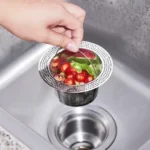
Lids are the most forgotten part of pot and pan storage. They end up leaning against walls or piled in a separate pile. A dedicated lid storage system keeps them neat and accessible. Kitchen drain strainers and lid organizers are affordable and effective.
Choosing the Wrong Hardware
Not all wall hooks are created equal. Cheap plastic hooks can’t hold heavy cast iron. Make sure you use hardware rated for the weight of your cookware. Stainless steel and heavy-duty metal brackets are the safest bets for long-term use.
How to Organize Pots and Pans by Frequency of Use
One of the best ways to decide where to store pots and pans in kitchen is by how often you use them. This simple approach keeps everyday items within easy reach.
Daily use items like your favorite frying pan and stockpot should go on the counter, on a rack, or in the most accessible cabinet. Weekly use items like saucepans and baking sheets belong in eye-level cabinets or open shelves. Occasional use items like specialty pans or holiday cookware can go in higher cabinets or the back of deep shelves.
This method works with any storage type. Whether you use a pot rack, pull-out shelves, or drawer organizers, frequency-based organization keeps your workflow smooth. It’s a simple principle that makes a big difference.
Maintaining Your Pot and Pan Storage System
Once you’ve set up a great storage system, you want to keep it working. A few simple habits go a long way.
- Clean racks and hooks regularly. Grease and dust build up over time, especially on wall-mounted racks.
- Return items to their spot. The best storage system only works if you put things back where they belong.
- Declutter once a season. Go through your cookware every few months. Donate or discard items you no longer use.
- Check hardware tightness. Wall-mounted racks and hooks can loosen over time. Tighten screws every few months for safety.
These small habits keep your kitchen organized and your cookware in great shape. A little maintenance goes a long way toward a functional cooking space.
Final Thoughts
Figuring out where to store pots and pans in kitchen doesn’t have to be complicated. From wall-mounted racks to drawer organizers, there’s a solution for every kitchen size and budget. The key is to assess your space, consider your cooking habits, and choose a system that feels natural to your routine.
Start small if you need to. A single pot rack or a set of drawer dividers can transform your kitchen. As you get comfortable, you can add more organization layers. The goal is a kitchen where everything has a place and cooking feels effortless.
Take some time this week to look at your current setup. What’s working? What’s not? Then pick one or two ideas from this guide and try them out. You’ll be surprised how much better your kitchen feels with a little intentional organization.
Frequently Asked Questions
What is the best way to store pots and pans in a small kitchen?
For small kitchens, wall-mounted pot racks or under-cabinet shelves work best. They free up cabinet and drawer space while keeping cookware within easy reach. A rolling cart can also add portable storage without taking up permanent floor space.
How do I store pot lids without a dedicated organizer?
You can use tension rods inside a cabinet to create vertical lid dividers. Another option is to store lids vertically behind the pots they belong to in a deep drawer. A simple file-style setup keeps lids neat and easy to find.
Can I hang heavy cast iron pans on a wall rack?
Yes, but you need the right hardware. Use heavy-duty wall anchors and stainless steel hooks rated for the weight of cast iron. Always install into a wall stud or use toggle bolts for extra support. This ensures safety and prevents damage to your walls.
What are the cheapest ways to organize pot and pan storage?
Tension rods, basic S-hooks, and adhesive under-cabinet shelves are the most affordable options. A simple pegboard with hooks is another budget-friendly choice. These solutions cost under $20 and can make a big difference in your kitchen organization.
Should I store pots and pans in drawers or cabinets?
It depends on your preference and kitchen layout. Drawers are easier to access and keep items visible. Cabinets hide clutter but may require pull-out organizers for deep spaces. Many kitchens benefit from a combination of both.
How often should I reorganize my kitchen cookware storage?
A quick declutter every season works well for most kitchens. If you cook frequently, a monthly check helps keep things tidy. Anytime you buy new cookware or get rid of old pieces is also a good time to reassess your storage setup.